The pieces of a possibly excellent system can not form a coherent whole. A single-payer system puts in location the financing mechanism and the cost and quality specifications needed to attain sustainable universal health care so that everybody has the care they need when they need it, at a price they can pay for - which of the following are characteristics of the medical care determinants of health?.
You can choose to go to school, change jobs, begin a new service, retire, or stay at home and care for kids and parents. Through all life's twists and turns, you'll never ever need to fret about losing access to health care once again. When single payer eliminates this pricey 30%, your physician will not have to invest loads of time on the phone to get consent from your insurance coverage for your ruptured appendix surgery.
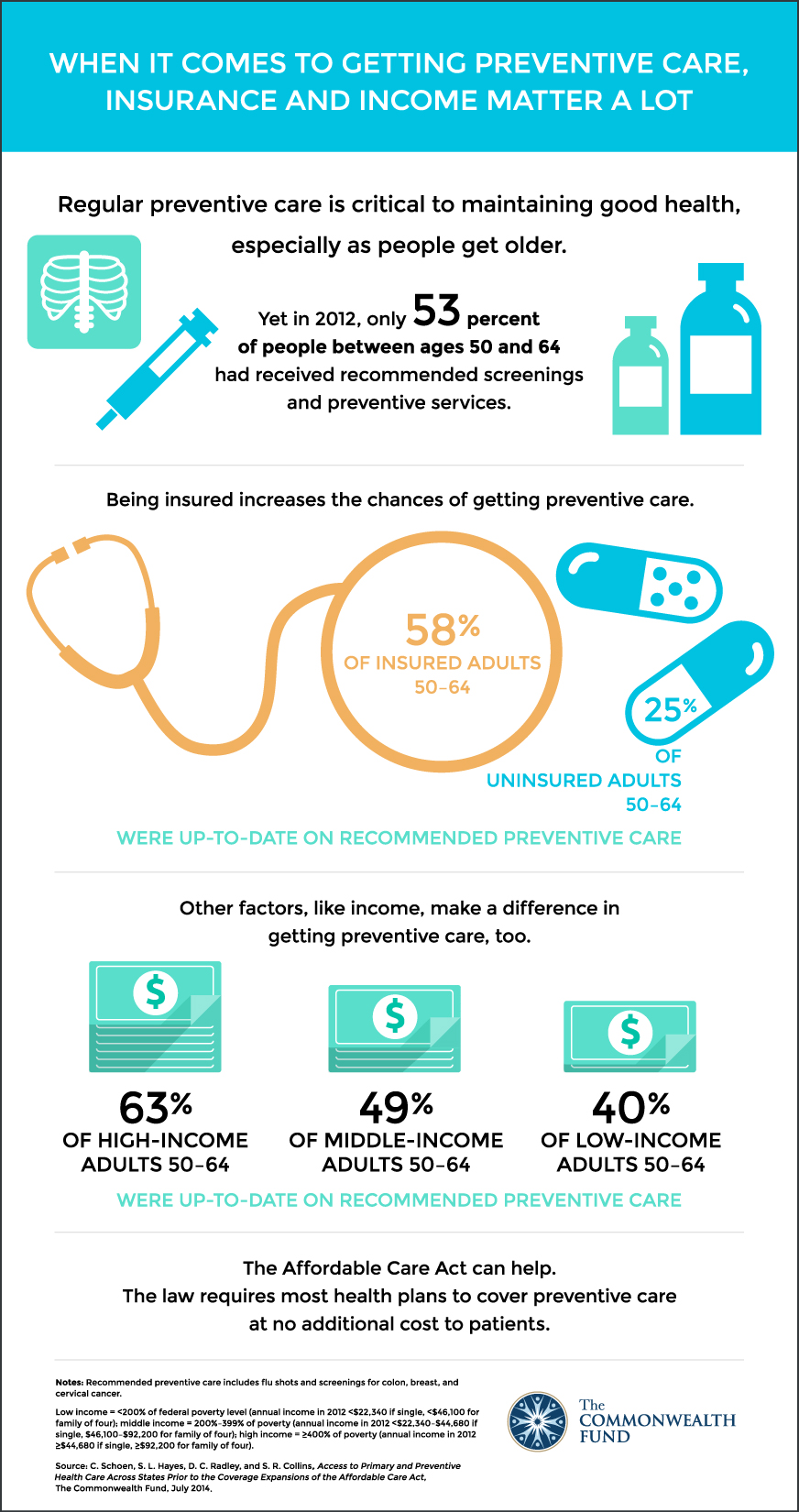
With "everyone in and no one out", cash will no longer be lost on marketing, underwriting, and administration of several health insurance strategies. Health care specialists will no longer sustain the expense of handling a lot of various plans, rules, and forms. Costs are rising at rates far beyond inflation. Charges for medical insurance premiums and care differ dramatically and are hard to justify.
People who can not pay for routine care abuse pricey hospital emergency situation rooms when problems develop and need more pricey treatment when conditions aggravate. Single-payer enables settlements for medications and medical gadgets. You have actually heard of the flagrant increased expenses for insulin and EpiPen. Single payer gives the federal government the power to negotiate prices for medications.
Access to routine care lowers expensive use of emergency clinic. Single-payer methods no co-payments, deductibles, or premiums. For the majority of us, the total bottom line for single-payer, which will likely be paid for through progressive taxes, will be substantially less than the overall bottom line we now pay. This is how we spend for other public items and services: schools, roads, fire, and libraries.
An Unbiased View of What Should A Health Care Worker Do Immediately After A Safety Violation Occurs?
That insurance was clearly insufficient. Single payer ends healthcare rationing based upon how much cash you have or don't have. A few of us are forced to make monetary decisions when we need healthcare if we are uninsured or underinsured. We might have to select in between healthcare and Mental Health Delray food.
Companies will no longer be burdened with health insurance for workers. Lower health expenses make organizations more competitive, both domestically and worldwide, and earn more for employees and shareholders. Single payer makes it simpler to start a brand-new service https://tysonzdda886.creatorlink.net/the-facts-about-what-countries-have without the complications, costs and worries of obtaining staff member insurance coverage benefits.
The number of primary care doctors is in dangerous decrease because the services of these physicians are not adequately valued and compensated. Health professionals dealing with patients in under-funded government programs are challenging to recruit and maintain. In a single-payer system, certified healthcare specialists and recognized centers work out fees and budgets and get prompt payment.
No more surprise expenses. No more "out of network" sticker shock. No more remaining in a bad task simply for the benefits. Single-payer is the comfort that no matter your life situations, when you need health care, you will get it.
Single-payer health care: A system of health care characterized by universal and thorough protection. Single-payer health care is similar to the health services offered by Medicare in the United States. The federal government pays for care that is delivered in the personal (primarily not-for-profit) sector. Doctors remain in private practice and are paid on a fee-for-service basis from government funds.
The Ultimate Guide To Western Societies:
Single-payer healthcare stands out and different from interacted socially medicine in which health care centers and workers get payment as civil servant. CONTINUE SCROLLING OR CLICK ON THIS LINK FOR RELATED SLIDESHOW.
Single-payer medical insurance is a model in which a single entity (typically the government) pays for healthcare and extends protection to all residents. The details of the system differ by the nation implementing it, however in basic, residents in a single-payer system pay little or no out-of-pocket costs for protection and standard health care treatment.
Below, you'll discover more details on single-payer medical insurance, how it differs from universal health care, and some examples of countries that have actually carried out single-payer systems. Single-payer medical insurance is a health care system funded largely or entirely by one entity (typically a government agency with tax earnings). In place of health insurance business, client co-payments, and networks of physicians and health centers, payments in a single-payer system are managed by this single entity.
If Medicare were broadened to supply health care coverage for all American citizens in location of personal health insurance business, this would efficiently become a nationwide single-payer medical insurance system. While numerous countries have actually adopted single-payer systems, they don't all operate in the exact same way. They all reduce co-payments and other forms of out-of-pocket expenses for patients, but they do not all cover the exact same services.
In basic, single-payer systems seek to provide affordable access to: Reproductive health carePrescription drugs and other medical materials Not all single-payer systems are national systems. Lots of big nations count on regional governments, such as states or provinces, to administer the healthcare system and pay companies. These local governments often get financing and policy guidelines from the nationwide government, and after that it's up to local leaders to identify how to use those funds to satisfy policy goals.
What Is Health Care Reform for Dummies
In some single-payer systems, such as Singapore's, payments circulation directly from the federal government to healthcare providers. England has local medical commissioning groups that take nationwide government funding and distribute payments within the town. The systems in countries like Germany and the Netherlands are frequently thought about single-payer, however several medical insurance companies still exist, so these are in fact multi-payer systems.
These insurance business may be not-for-profit (like in Germany) or for-profit (like in the Netherlands). Single-Payer Medical insurance vs. Universal Healthcare Everyone is covered. Everyone is covered. Funding generally originates from national tax earnings. Financing might come from tax profits, out of the pocket of consumers, or both. A single payer pays directly to healthcare company.
Like single-payer medical insurance, universal healthcare implies that all people in a nation have access to healthcare coverage. However, the term "universal healthcare" doesn't resolve how healthcare expenses are paid. If all Americans registered with a personal health care insurance company today, the U.S. would have universal health care protection, despite the fact that the very same systems of insurance coverage networks, co-payments, and premiums would remain undamaged.
The ACA presented new guidelines that made it easier for Americans to obtain coverage. From 2010 (the year ACA became law) website through 2016, approximately 20 million Americans got health insurance coverage who had not had it before. Nevertheless, much of these Americans signed up with private healthcare companies through a government-run marketplace.
Under a true single-payer system, instead of a universal health care system, the federal government would step in to replace private medical insurance business. Patients wouldn't pay premiums to a business to receive coverage, and tax dollars would go straight to health care suppliers rather of to insurance coverage companies. Pros Access to preventative care improves the health of society.