: Coinsurance is a percentage of the cost of your healthcare. For an MRI that costs $1,000, you might pay 20 percent ($ 200). Your insurer will pay the other 80 percent ($ 800). Strategies with higher premiums generally have less coinsurance.: The yearly out-of-pocket maximum is the most cost-sharing you will be accountable for in a year.
As soon as you strike this limitation, the insurance provider will get one hundred percent of your costs for the rest of the plan year. Many enrollees never ever reach the out-of-pocket limit however it can happen if a great deal of expensive treatment for a severe accident or health problem is required. Plans with greater premiums generally have lower out-of-pocket limits.
A 'covered advantage' usually describes a health service that is consisted of (i.e., 'covered') under the premium for a given health insurance coverage policy that is paid by, or on behalf of, the registered client. 'Covered' indicates that some portion of the permitted cost of a health service will be considered for payment by the insurance coverage company.
For instance, in a strategy under which 'immediate care' is 'covered', a copay might use. The copay os an out-of-pocket expense for the patient (how did the patient protection and affordable care act increase access to health insurance?). If the copay is $100, the client needs to pay this amount (usually at the time of service) and after that the insurance plan 'covers' the rest of the allowed cost for the immediate care service.
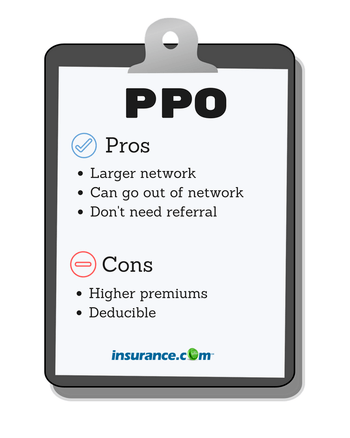
For instance, if a client has not yet satisfied a yearly deductible of $1,000, and the cost of the covered health service supplied is $400, the patient will need to pay the $400 (typically at the time of service). What makes this service 'covered' is that the cost counts toward the yearly deductible, so just $600 would remain to be paid by the client for future services prior to the insurer starts to pay its share.
Your premium, or just how much you spend for your health insurance coverage every month, covers some or all of the treatment you get everything from prescription drugs and doctors' sees to health improvement programs and consumer service. Many people choose a medical insurance plan based upon month-to-month cost, as well as the advantages and medical services the plan covers.
What Countries Have Single Payer Health Care for Beginners
These out-of-pocket payments fall under numerous categories and it's crucial to understand the distinctions between them: Lots of medical insurance strategies consist of a deductible, which is the quantity you pay each year prior to your medical insurance strategy starts paying for covered services. For example, if your plan has a $1,000 deductible, you will require to pay the very first $1,000 of the costs for the healthcare services you get.
A copay is a flat charge you pay to see a doctor or get some other covered services, like a trip to the emergency clinic. For instance, you might have a $20 copay to go see your physician, but a $200 copay if you visit the emergency clinic. Co-insurance is a portion you pay for some covered services, like a journey to a specialist or a specific medical test.
An out-of-pocket maximum is the most you will have to spend for your healthcare expenses during a strategy period (generally a year) for covered services you get from the doctors and hospitals that get involved in the strategy's network. No matter what, you will not pay more than this amount each strategy duration for covered services. how much does medicare pay for home health care per hour.
Payments by your health insurer are usually based upon discounts the insurance company works out with physicians and hospitals. Your insurance provider will pay your claim based upon the rate it has actually settled on with the physicians, health centers, or health care center in your plan network.
Anyone engaging with the U.S. healthcare system is bound to encounter examples of unnecessary administrative complexityfrom filling out duplicative intake forms to transferring medical records in between providers to figuring out insurance expenses. This administrative intricacy, with its associated high costs, is frequently mentioned as one factor the United States invests double the amount per capita on healthcare compared with other high-income nations despite the fact that usage rates are similar.
As health care costs continue to rise, a rational beginning point for potential cost savings is attending to waste. A 2010 report by the National Academy of Medicine (NAM) approximated that the United States spends about two times as much as necessary on BIR expenses. That administrative excess currently totals up to $248 billion annually, according to CAP's calculations.
The Greatest Guide To Which Of The Following Is A Government Health Care Program?
health care system. It initially describes the elements of administrative expenses and then provides estimates of the administrative expenses borne by payers Additional hints and providers. Finally, the issue quick describes how the United States can lower administrative costs through extensive reforms and incremental modifications to its healthcare system. A lot of the universal health care plans being gone over to broaden coverage and lower expenses would lower administrative expenses through rate guideline, global budgeting, or simplifying the number of payers.

The primary parts of administrative costs in the U. who is eligible for care within the veterans health administration.S. healthcare system consist of BIR costs and health center or doctor practice administration. The very first category, BIR costs, is part of the administrative overhead that is baked into customers' insurance coverage premiums and providers' compensations. It includes the overhead expenses for the medical insurance industry and service providers' costs for claims submission, claims reconciliation, and payment processing.
To date, couple of studies have actually approximated the systemwide cost of healthcare administration extending beyond BIR activities. In a 2003 article in The New England Journal of Medication, scientists Steffie Woolhandler, Terry Campbell, and David Himmelstein concluded that general administrative costs in 1999 totaled up to 31 percent of overall healthcare expenses or $294 billionroughly $569 billion today when changed for treatment inflation.
Numerous studies of administrative expenses limit their scope to BIR expenses. The BIR element of administration is most pertinent to systemwide reforms that look for to decrease the expenditures associated with claims processing, billing rates, or medical insurance. The biggest share of BIR expenses is attributable to insurance coverage business' revenues and overhead and to service providers where BIR costs consist of tasks such as record-keeping for claims submission and billing.
The process of claims denials has become an industry unto itself, with private companies squeezing dollars out of Medicaid programs. One research study approximated that the aggregate worth of challenged claims varies from $11 billion to $54 billion every year. Claims can also be manipulated to improve providers' or insurance companies' earnings by taping services rendered in optimum information and overemphasizing the intensity of clients' conditionsa practice called upcoding.
The NAM published among the most comprehensive reports on U.S. who led the reform efforts for mental health care in the united states?. administrative expenses connected to billing and insurance coverage in 2010. In a synthesis of the literature on administrative expenses, the NAM report concluded that BIR costs totaled $361 billion in 2009about $466 billion in current dollarsamong private insurance providers, public programs, and service providers, amounting to 14.4 percent of U.S.